
Ecuador eSIM

Claro LTE
Hvis du er tom, kan du alltid fyll på
Pakken starter når du kobler til et støttet nettverk

Data
Velg din pakke
Essential Facts for Visiting ecuador
Indian citizens, rejoice! For a tourist visit to Ecuador, you typically do not require a visa for stays up to 90 days within any 12-month period. This means you can plan your trip without the hassle of visa applications, making it quite a smooth process. It's a "no tension" situation for most short-term holidays, allowing you to focus on exploring the Amazon, Andes, or Galapagos.
However, if your wanderlust inspires you for a longer stay, or if your purpose of visit isn't purely tourism (e.g., work or study), then a visa will be required. Always double-check the latest regulations with the Ecuadorian embassy or consulate in India before you pack your bags, just to be "pakka" sure.
Kilde: fly2globe
Tillit: 0.98
Oppdateringssyklus: Regularly updated by government bodies; verify prior to travel.

Your passport is your most important travel document, so make sure it's "full on" valid! For entry into Ecuador, Indian citizens must possess a passport that is valid for at least six months beyond their intended date of entry. This is a basic requirement, so do check its expiry date well in advance to avoid any last-minute "tension."
If your passport is nearing its expiry or doesn't meet this six-month validity rule, it's absolutely crucial to get it renewed before you travel. Immigration officials at the port of entry are quite strict about this, and you wouldn't want any "bakwaas" at the airport ruining your trip, would you?
Kilde: amazon
Tillit: 0.95
Oppdateringssyklus: Standard international travel rule; verify closer to travel date.

Good news if Ecuador is just a pit stop on your way to another adventure! If you're simply transiting through an Ecuadorian airport and staying within the international transit area, you typically won't need a separate transit visa. This "chalta hai" approach applies as long as you're not planning to clear immigration and enter the country proper.
However, if your layover is long enough that you wish to step out and explore a bit of the city, or if you need to pass through immigration to catch a connecting flight from a different terminal, then the standard entry requirements for Indian citizens will apply. Since you're visa-exempt for short stays, no extra "jugaad" is generally needed, but always confirm your specific itinerary with your airline.
Kilde: tpt
Tillit: 0.95
Oppdateringssyklus: Subject to airline and immigration policies; check prior to travel.

As of now, Indian tourists heading to Ecuador don't need to worry about securing any special pre-travel authorization or electronic travel authorization (ETA) similar to what some other countries require. It's not like you need a separate "acha" approval online before you even board your flight.
Your visa-free status for short stays means you just need your valid passport and a return ticket, and you're good to go through the usual immigration checks upon arrival. Always keep an eye on official government advisories, though, as rules can change "fatafat," especially concerning health declarations.
Kilde: istock
Tillit: 0.9
Oppdateringssyklus: Subject to change based on global health situations; verify closer to travel date.

Since Indian citizens enjoy visa-free entry for short tourist stays in Ecuador, there isn't an "eVisa link" to share for this purpose. You won't need to go looking for some online portal to apply for a tourist eVisa, yaar, because it's simply not required for your holiday.
If, however, you require a visa for a purpose other than tourism or for a stay exceeding 90 days, you would typically need to apply through the Embassy of Ecuador in New Delhi or the Consulate General. For such specific cases, direct consultation with the embassy is the "pakka" way to get accurate information and application procedures.
Kilde: trading-view
Tillit: 0.95
Oppdateringssyklus: Not applicable for visa-exempt tourist stays.
Health & Safety Tips for ecuador
Ecuador operates a unified emergency service number, 911, which connects you to police, fire, and ambulance services across the country. This single number is the primary contact for all urgent situations, making it straightforward for tourists to remember and use.
While 911 is the main contact, it's advisable to also be aware of the local contact information for your embassy or consulate, as they can provide assistance in non-emergency situations such as lost passports or legal issues. Keep these numbers stored in your phone, along with a copy of your travel insurance details.
In remote areas, particularly in the Amazon basin or rural highlands, emergency response times may be longer due to challenging terrain and limited infrastructure. When venturing into such regions, ensure you travel with a reputable tour operator who has established emergency protocols and communication methods.
Kilde: U.S. Embassy in Ecuador; UK Foreign, Commonwealth & Development Office (FCDO)
Tillit: 0.95
Oppdateringssyklus: Annually/As needed by government advisories
Travelers to Ecuador should be mindful of altitude sickness, especially when visiting cities like Quito (2,850m/9,350ft) or Cuenca. Symptoms include headaches, nausea, and dizziness. Acclimatize gradually, stay hydrated, avoid alcohol and heavy meals for the first 24-48 hours, and consider consulting a doctor about medication like acetazolamide before your trip.
Food and water safety are paramount. Drink only bottled or purified water, and avoid ice made from tap water. Be cautious with street food; opt for well-cooked food served hot at reputable establishments. Peeling fruits and vegetables yourself is recommended, and frequent hand washing is essential to prevent traveler's diarrhea.
Mosquito-borne illnesses like Dengue, Chikungunya, Zika, and Malaria are present in certain low-lying coastal and Amazonian regions, though less common in the highlands or Galapagos. Protect yourself by using insect repellent containing DEET, wearing long sleeves and pants, and sleeping under mosquito nets if staying in areas without screened windows or air conditioning. Consult your doctor about anti-malarial medication if traveling to high-risk areas.

Kilde: Centers for Disease Control and Prevention (CDC); World Health Organization (WHO)
Tillit: 0.95
Oppdateringssyklus: Continuously/As needed by health organizations
Ensure all your routine vaccinations (such as MMR, DTaP, Polio, and seasonal flu) are up-to-date before traveling to Ecuador. These foundational vaccines protect against common diseases and are crucial for general health security during international travel.
Several vaccinations are recommended for most travelers to Ecuador: Hepatitis A and B, and Typhoid, especially if you plan to visit smaller cities, rural areas, or will be an adventurous eater. Rabies vaccination is also recommended for those who might have direct contact with animals, engage in outdoor activities that could lead to animal bites (like caving or cycling), or for long-term stays.
Yellow Fever vaccination is required for travelers arriving from countries with a risk of Yellow Fever transmission. It is also strongly recommended for travelers aged 9 months or older who are visiting specific provinces in the Amazon basin (e.g., Morona Santiago, Napo, Orellana, Pastaza, Sucumbíos, Zamora Chinchipe) and parts of Esmeraldas province. However, it is generally NOT recommended for visits limited to Quito, Guayaquil, the Galapagos Islands, or highland areas. Always consult your healthcare provider or a travel clinic well in advance of your trip for personalized advice based on your itinerary and medical history.
Kilde: Centers for Disease Control and Prevention (CDC); World Health Organization (WHO)
Tillit: 0.95
Oppdateringssyklus: Continuously/As needed by health organizations
Connectivity & Mobility in Ecuador
Seamless Coverage with Top Carriers
Ecuador offers generally reliable mobile network coverage, particularly in urban centers and along major transportation routes. The primary carriers are Claro, Movistar, and CNT, which collectively provide extensive 4G/LTE services across the country. While coverage can become spotty in very remote or mountainous regions, tourists can expect good connectivity in most visited areas. Both physical SIM cards and eSIMs are supported by the main networks, with eSIM options growing in popularity for their convenience, allowing users to easily switch plans without needing a physical card. Many international eSIM providers, including Prune, leverage these local networks to offer competitive data plans.
Kilde: https://www.claro.com.ec/personas/mapa-de-cobertura/
Tillit: 0.9
Oppdateringssyklus: 3-6 months

Affordable Prepaid SIM Options
For tourists in Ecuador, prepaid SIM cards are a cost-effective way to stay connected. A physical SIM card from a major provider like Claro, Movistar, or CNT typically costs around $5 to $10 USD for the card itself. Data packages vary, but a common tourist-friendly plan offering 2GB to 5GB of data, plus local calls and texts, can range from $10 to $20 USD, valid for 15 to 30 days. These packages are easily topped up at convenience stores, supermarkets, and carrier outlets. For travelers preferring digital solutions, https://prune.co.in/ often has competitive pricing for eSIM plans that utilize the local networks.
Kilde: https://www.claro.com.ec/personas/movil/prepago/
Tillit: 0.85
Oppdateringssyklus: 3-6 months

Robust Connectivity in Urban Centers
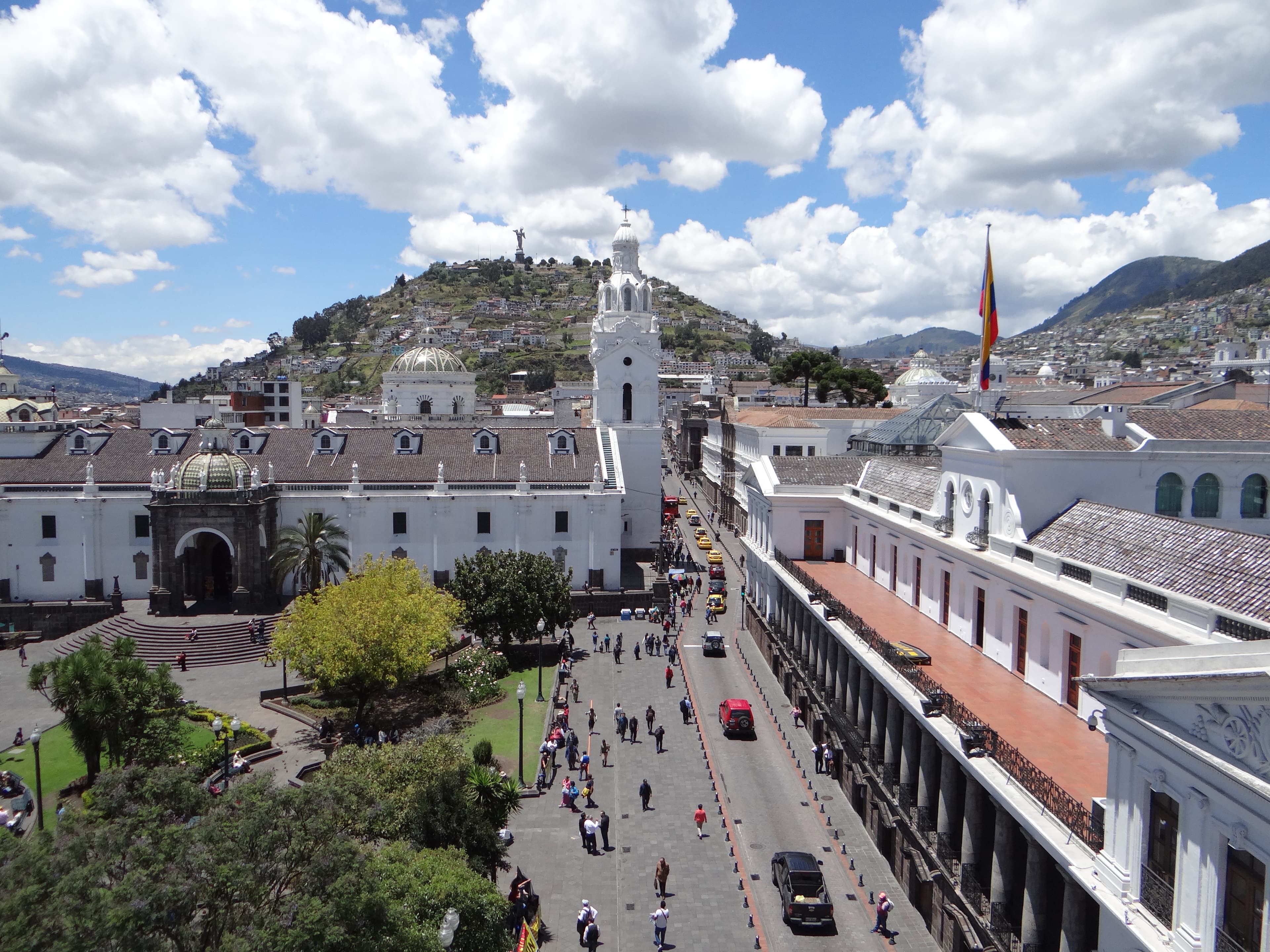
Ecuador's major metropolitan areas boast robust and fast mobile network coverage, primarily with 4G/LTE, and increasingly with 5G. Cities like Quito and Guayaquil have excellent 4G/LTE penetration, ensuring smooth internet browsing, streaming, and communication for residents and tourists alike. 5G rollout is actively progressing in these major urban hubs and other key provincial capitals, offering even faster speeds and lower latency. This ensures that visitors to Ecuador's most populous and tourist-frequented cities can rely on high-quality mobile internet access.
Kilde: https://www.arcotel.gob.ec/informes-del-sector-de-las-telecomunicaciones/
Tillit: 0.9
Oppdateringssyklus: 6-12 months

Money & Daily Life in ecuador
Currency
The official currency of Ecuador is the United States Dollar (USD), adopted in 2000. This means travelers from the U.S. do not need to exchange currency, and those from other countries will find exchange rates straightforward. U.S. dollar bills (1, 5, 10, 20, 50, 100) are used, alongside both U.S. and Ecuadorian centavo coins, which have the same denominations and value as U.S. coins.
Kilde: Central Bank of Ecuador; XE.com
Tillit: 1
Oppdateringssyklus: Stable

Tipping culture
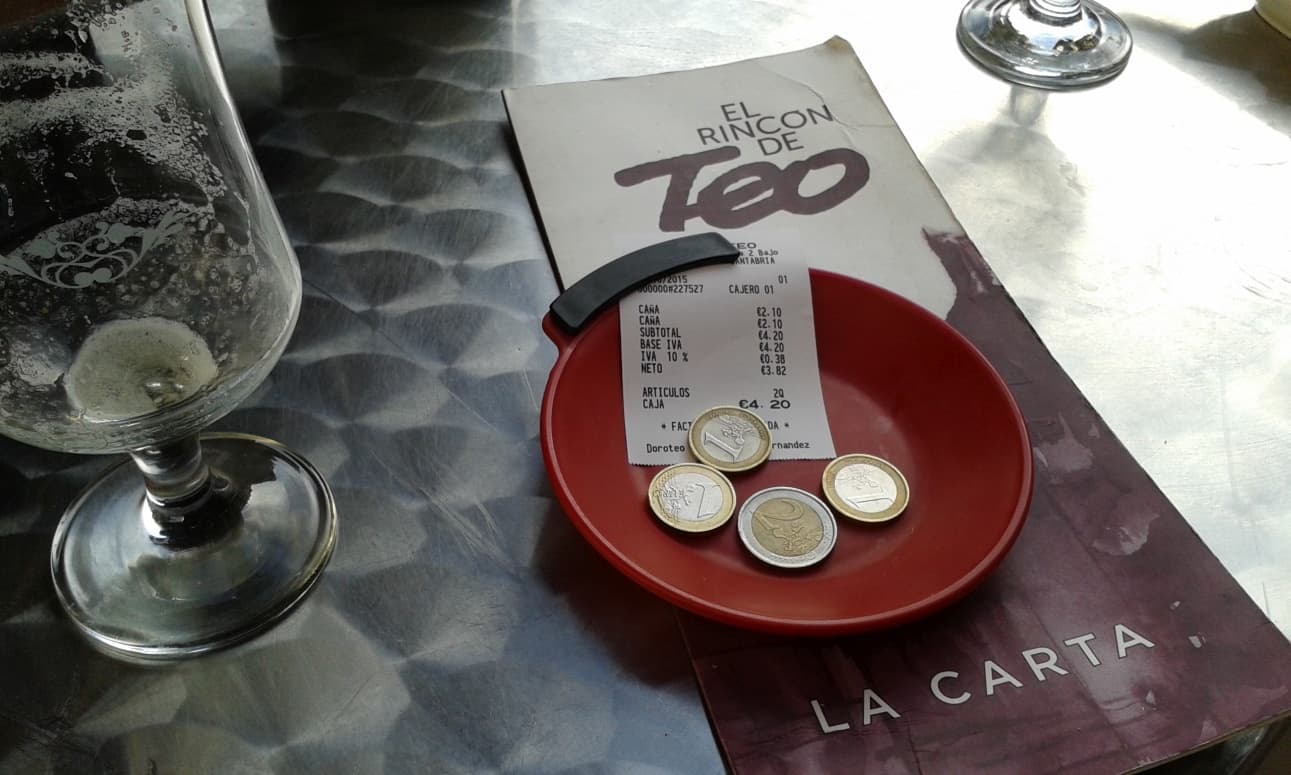
Tipping in Ecuador is appreciated but varies by service. In most restaurants, a 10% service charge (propina) is often included in the bill; check your receipt before adding more. If not included, 10% is customary for good service. For taxis, rounding up the fare to the nearest dollar is common, but a specific tip is not expected. Tour guides, especially on multi-day excursions, typically expect tips, with amounts ranging from $5-10 USD per person per day for guides and slightly less for drivers. Small tips ($1-2 USD) are also appropriate for hotel porters and other service staff.
Kilde: Lonely Planet; Rough Guides; Expat forums
Tillit: 0.9
Oppdateringssyklus: Infrequent
Credit cards
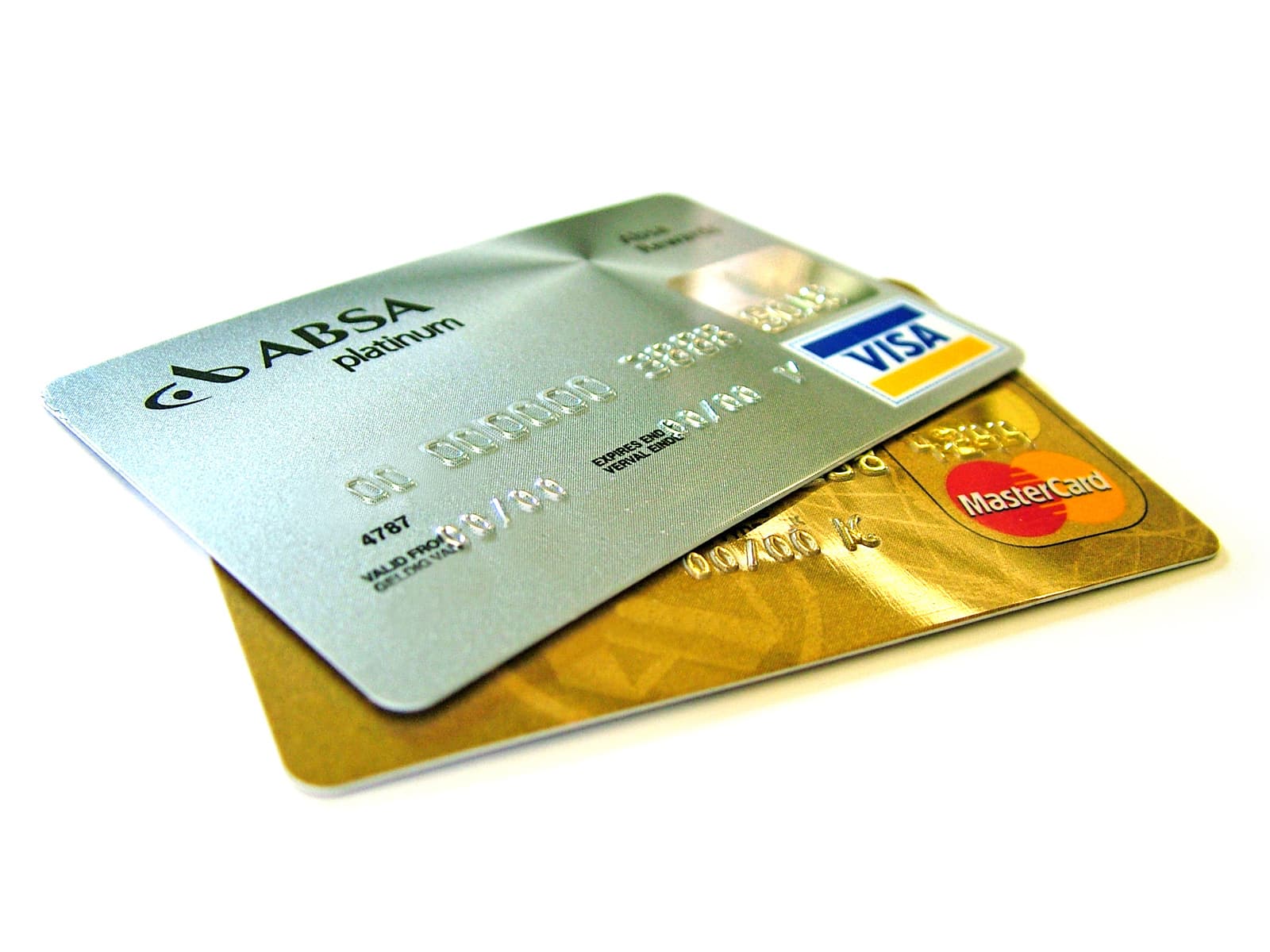
Credit cards, primarily Visa and MasterCard, are widely accepted in major cities like Quito, Guayaquil, and Cuenca at larger hotels, upscale restaurants, and supermarkets. However, smaller towns, local markets, and independent shops often operate on a cash-only basis. It's always wise to carry a sufficient amount of small USD denominations for daily expenses and purchases outside of major establishments. ATMs are readily available in urban areas for cash withdrawals, but it's advisable to inform your bank of your travel plans to avoid card freezes.
Kilde: Major travel sites; Banking institutions
Tillit: 0.95
Oppdateringssyklus: Infrequent
Plug/Voltage
Ecuador uses a voltage of 120V and a frequency of 60Hz, which is the same as in North America. The plug types are Type A (two flat parallel pins) and Type B (two flat parallel pins and a round grounding pin). Travelers from North America will generally not need a voltage converter or plug adapter. However, visitors from countries with different voltage standards (e.g., 220-240V) will require a voltage converter for their appliances, and all international travelers should check if their devices use Type A or B plugs and acquire an adapter if necessary.
Kilde: WorldStandards.eu; International Electrotechnical Commission (IEC)
Tillit: 1
Oppdateringssyklus: Stable

Local language(s)
The official language of Ecuador is Spanish. While English is spoken in major tourist areas, high-end hotels, and by some tour guides, particularly in destinations like the Galapagos Islands, it is not widely understood outside of these specific contexts. Learning basic Spanish phrases will significantly enhance your travel experience and facilitate communication with locals, especially when venturing into smaller towns or rural areas. Indigenous languages such as Kichwa (Quechua) and Shuar are also recognized and spoken by various ethnic groups across the country.
Kilde: Constitution of Ecuador; Ethnologue
Tillit: 1
Oppdateringssyklus: Stable
Weather and Seasonal Guide for Ecuador

Beste tid å besøke
June to September
This period generally coincides with the dry season in the Andean highlands, offering clear skies, less rain, and comfortable temperatures ideal for hiking and exploring cities like Quito and Cuenca. The coastal region experiences cooler, drier weather, and while it's the "cool" season in the Galapagos, marine life is often very active, and the weather is pleasant for wildlife viewing. Crowds can be higher, especially in July and August due to favorable conditions.
Gj.snitt temp(april)
21°C
The Andes are in their wet season, characterized by afternoon showers and vibrant green scenery; mornings are often clear. The coast sees rainfall begin to decrease. The Galapagos remain warm and wet, offering excellent opportunities for wildlife photography amidst lush surroundings.
Kilde: Ministerio de Turismo de Ecuador
Tillit: 0.9
Oppdateringssyklus: Every 12 months
Top Landmarks and Sites in ecuador


Galapagos Islands
TYPE
Natural Reserve, Archipelago
LOCATION
Approximately 1,000 km (600 mi) west of mainland Ecuador.
TAGS
Wildlife, Nature, Biodiversity, Volcanic, Snorkeling, Diving, UNESCO World Heritage
DESCRIPTION
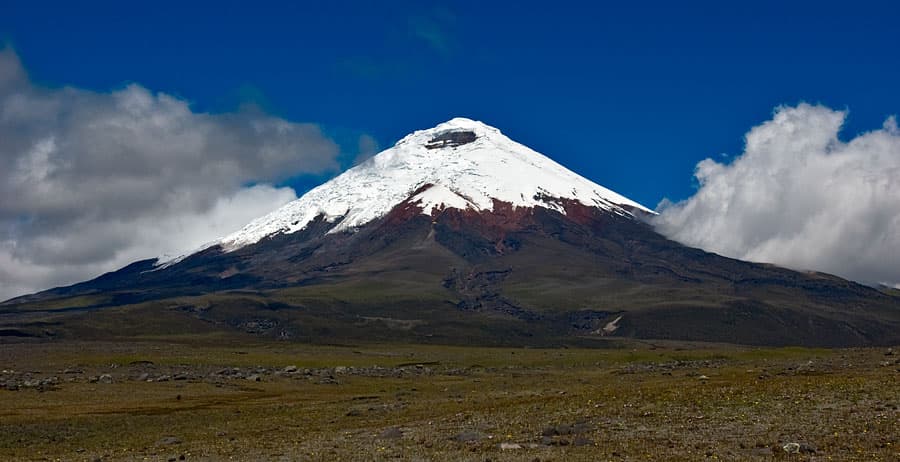
A volcanic archipelago in the Pacific Ocean, renowned for its unique and fearless wildlife, much of which is found nowhere else on Earth. It was instrumental in Charles Darwin's theory of evolution by natural selection. Visitors can observe giant tortoises, marine iguanas, blue-footed boobies, sea lions, and various finch species in their natural habitats. Activities include snorkeling, diving, hiking, and cruising between islands, offering an unparalleled immersive experience with nature and biodiversity.
Source: Galapagos National Park Directorate (Dirección del Parque Nacional Galápagos)
Confidence: 0.98
Update Cycle: 12 months
Destinasjonsoversikt
ecuador
Ecuador is a compact country boasting incredible biodiversity, from the Andean highlands and Amazon rainforest to the Pacific coast and the unique Galapagos Islands, offering diverse adventures for every traveler.
Kategori
South America
Språk
Spanish
Spesielle regler
Many nationalities can enter visa-free for up to 90 days; no ETA equivalent. Traffic drives on the right. Strict environmental rules apply in the Galapagos Islands, requiring a transit control card and park entrance fee. Be aware of altitude sickness in Andean regions.
>
Average Flight Times from india to ecuador
Delhi (DEL)
Indira Gandhi International Airport
Quito (UIO)
Mariscal Sucre International Airport
Varighet
32 hr 30 min
Flytype
2 Stops
Flyselskaper
Qatar Airways,
American Airlines
Mumbai (BOM)
Chhatrapati Shivaji Maharaj International Airport
Guayaquil (GYE)
José Joaquín de Olmedo International Airport
Varighet
33 hr 45 min
Flytype
2 Stops
Flyselskaper
Emirates,
KLM Royal Dutch Airlines
Bengaluru (BLR)
Kempegowda International Airport
Quito (UIO)
Mariscal Sucre International Airport
Varighet
34 hr 15 min
Flytype
2 Stops
Flyselskaper
Lufthansa,
Copa Airlines
Chennai (MAA)
Chennai International Airport
Guayaquil (GYE)
José Joaquín de Olmedo International Airport
Varighet
35 hr 0 min
Flytype
2 Stops
Flyselskaper
Qatar Airways,
Iberia
Hendelseskalender
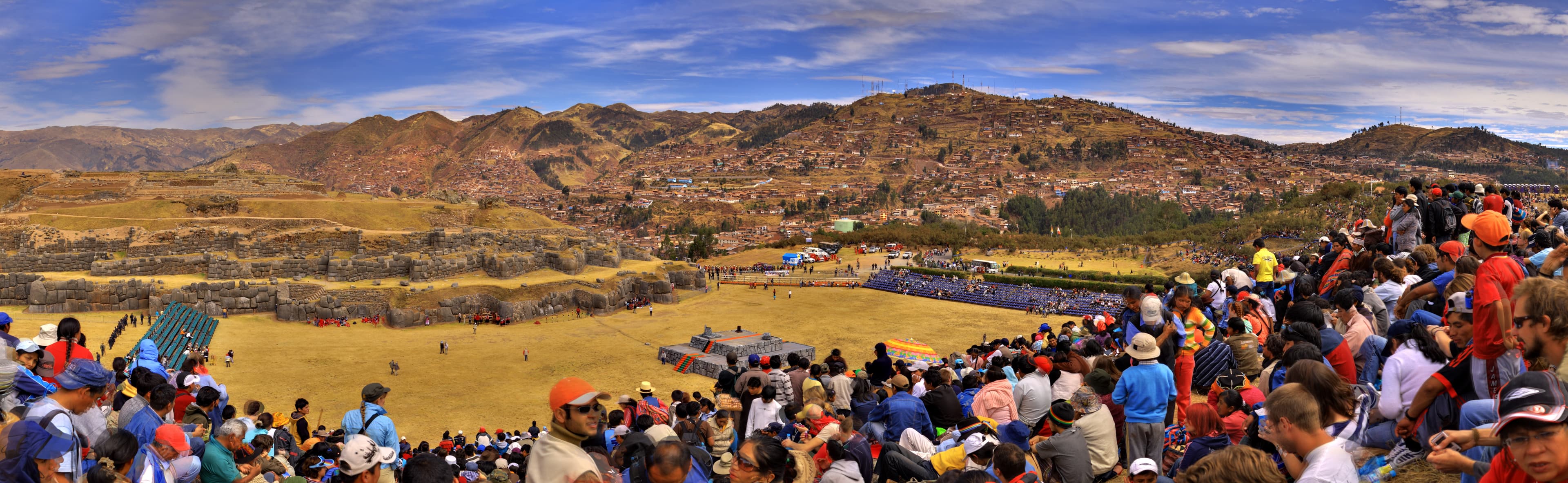
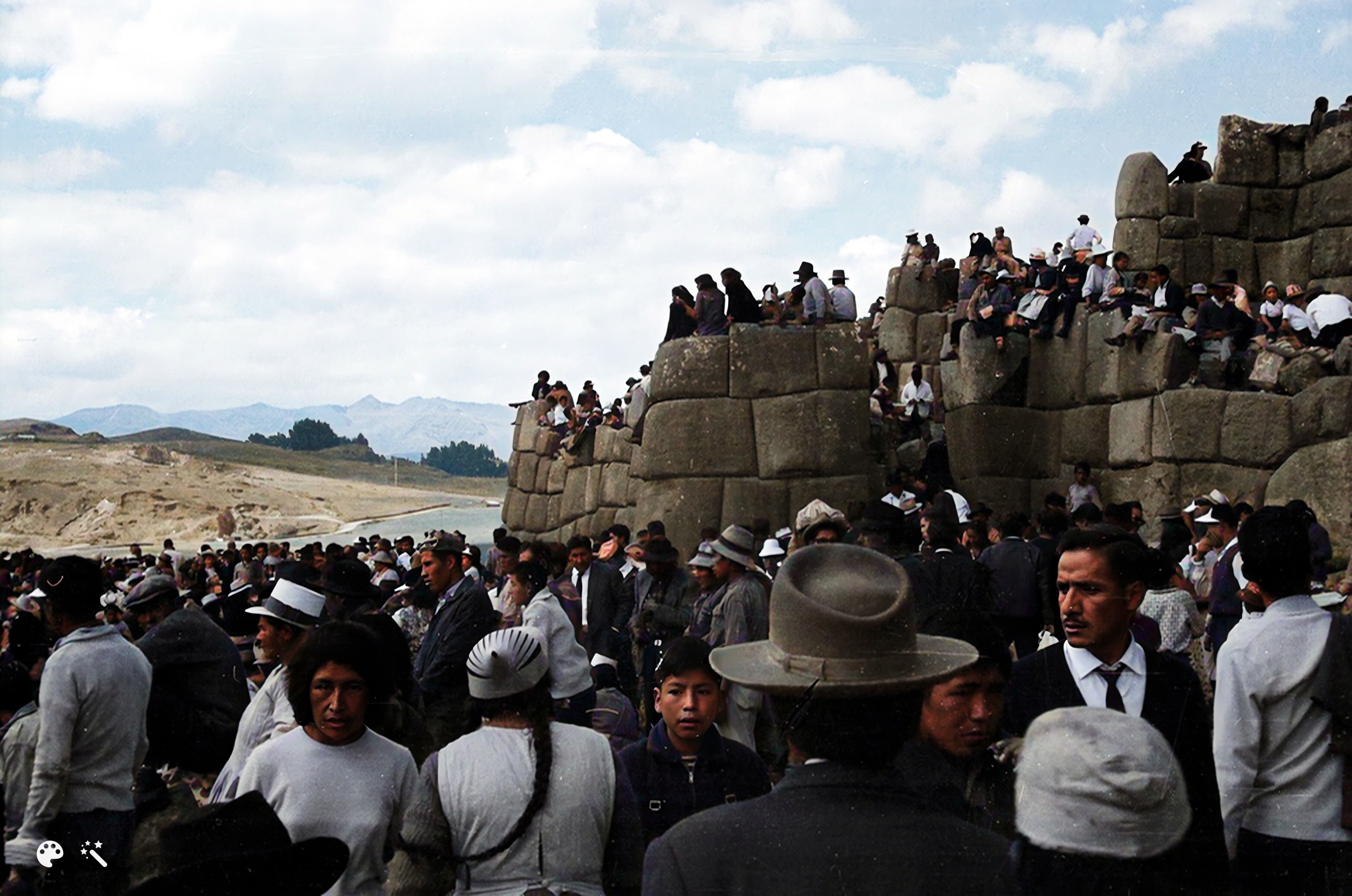
Inti Raymi (Festival of the Sun)
Inti Raymi is an ancient Inca festival celebrating the winter solstice (summer solstice in the Northern Hemisphere) and honoring Inti, the Sun God, for a successful harvest. It's a vibrant display of indigenous culture, featuring traditional music, dance, rituals, and offerings of gratitude. Participants often engage in purification rituals in rivers and waterfalls, and the festivities can last for several days, culminating in communal feasts and lively street performances.
Kilde: Ministry of Culture and Heritage of Ecuador (Ministerio de Cultura y Patrimonio de Ecuador)
Tillit: 0.95
Oppdateringssyklus: 12 months
Carnaval
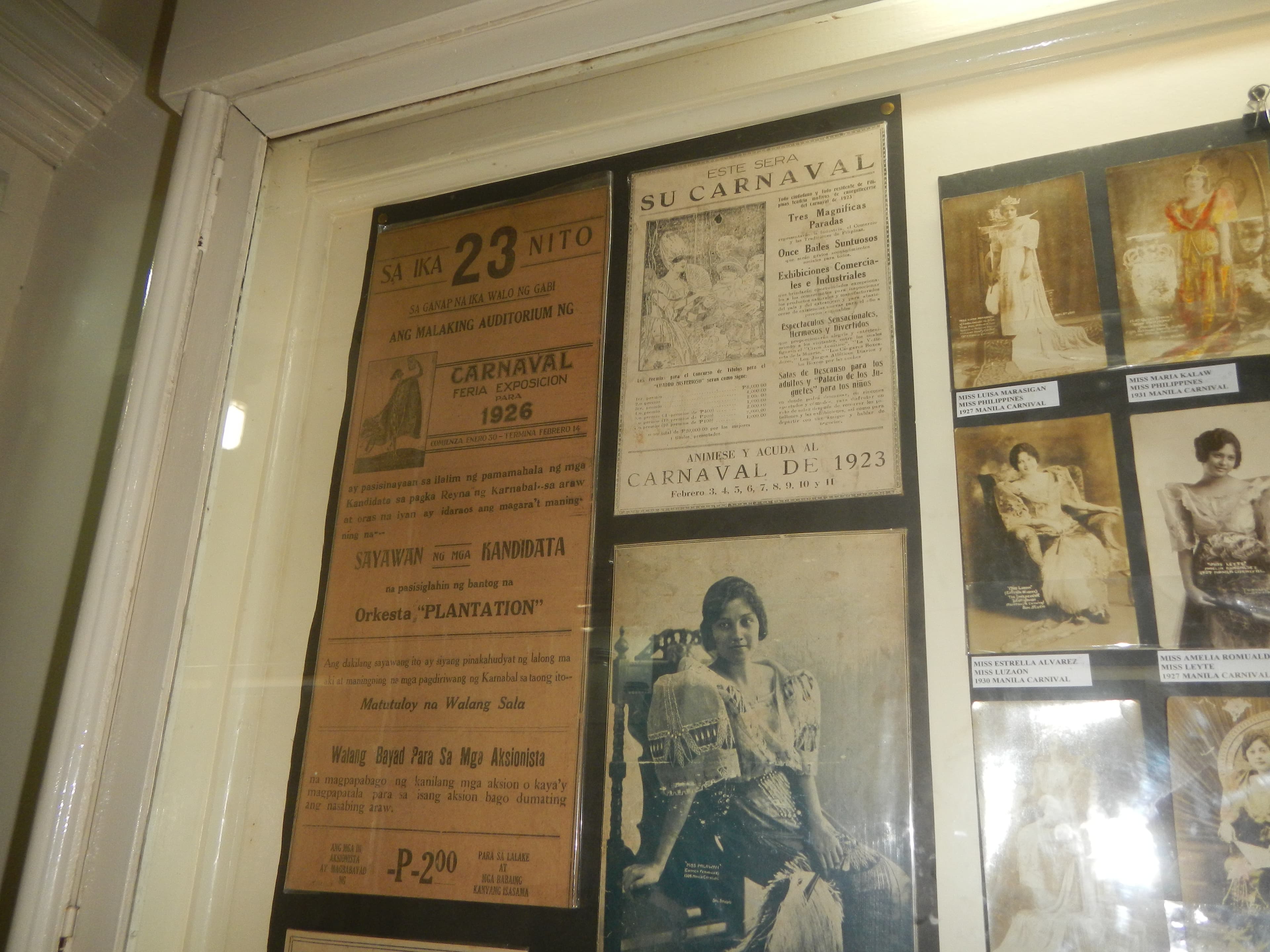
Ecuador's Carnaval is a lively and joyful celebration before the solemnity of Lent. While water fights are a traditional and boisterous part of the festivities in many areas, cities like Ambato offer a unique "Fiesta de la Fruta y de las Flores" (Festival of Fruits and Flowers) with elaborate parades showcasing agricultural bounty. Guaranda is famous for its "Carnaval del Indio," featuring traditional music and dance. It's a time for vibrant parades, music, dancing, and communal merriment, varying in style from region to region.
Kilde: Ministry of Tourism of Ecuador (Ministerio de Turismo de Ecuador)
Tillit: 0.94
Oppdateringssyklus: 12 months
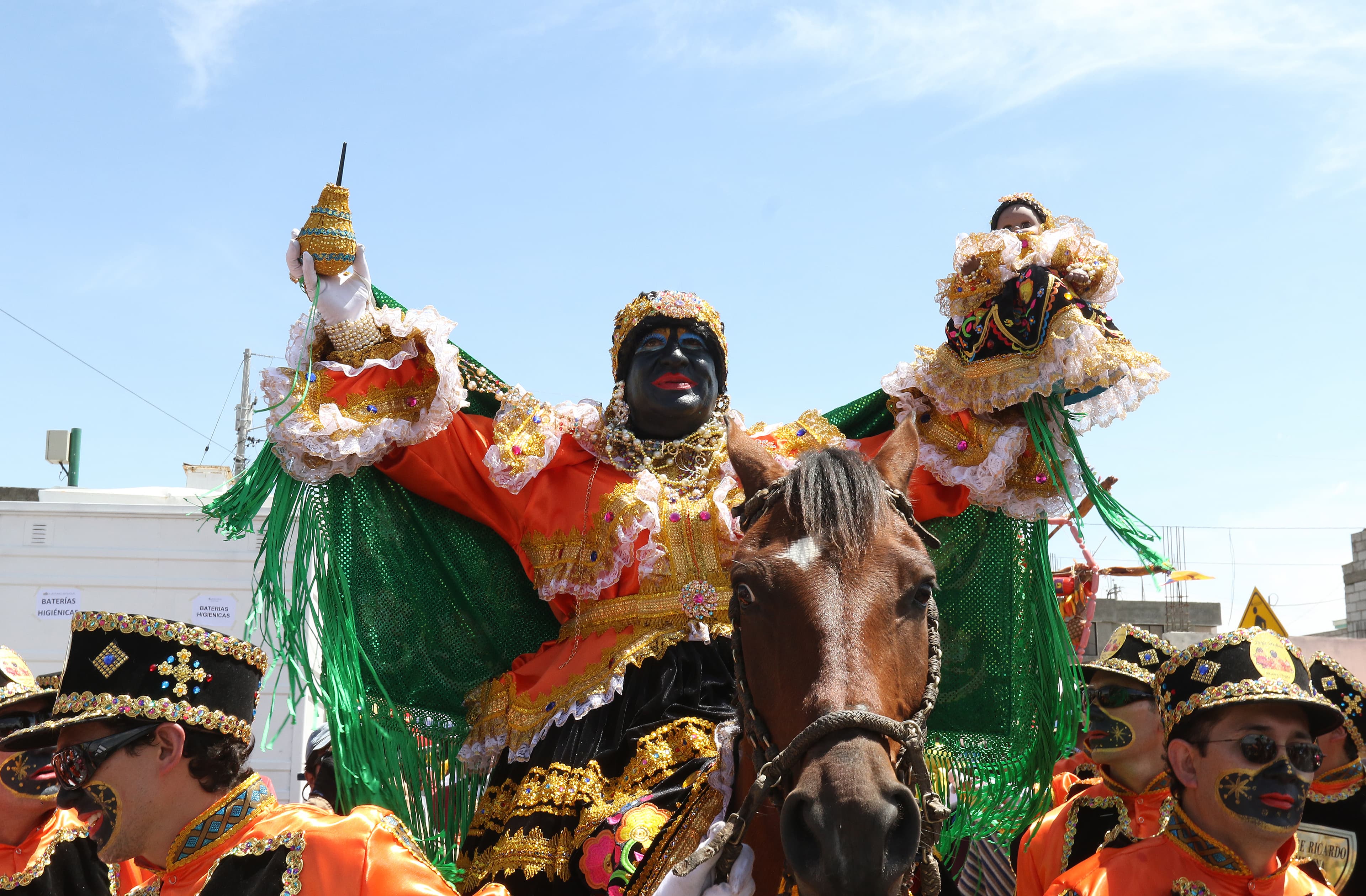
Mama Negra Festival
The Mama Negra Festival is one of Ecuador's most unique and colorful cultural expressions, a syncretic blend of indigenous, Spanish, and African traditions. The main parade in November is a spectacular event honoring the Virgen de la Merced, featuring a central character, Mama Negra, a black Madonna figure, adorned with symbols of fertility and abundance. The procession includes various characters like "El Capitán," "El Rey Moro," and "El Abanderado," accompanied by music, dance, and elaborate costumes, reflecting the rich cultural tapestry of the region.
Kilde: Latacunga Municipal Tourism Office (Dirección de Turismo del GAD Municipal de Latacunga)
Tillit: 0.93
Oppdateringssyklus: 12 months

Hvorfor kunder elsker Prune?
Umiddelbart internett ved ankomst
Bli tilkoblet i det øyeblikket flyet ditt lander. Ingen venting, ingen problemer.
Spar 80 % sammenlignet med roaming
Hold reisebudsjettet intakt med priser som knuser tradisjonelle roamingavgifter.
Behold WhatsApp og OTP-tilgang
Hold deg tilgjengelig for meldinger, verifiseringer og tofaktor-koder uansett hvor du er.
Fungerer på tvers av regioner
Ett eSIM dekker flere land, slik at du kan reise uten å bytte kort.
Oppsett på 2 minutter
Skann, aktiver og dra. Det er så enkelt – ingen butikkbesøk er nødvendig.
24/7 support
Ekte mennesker klare til å hjelpe deg når som helst, hvor som helst i verden.