
eSIM
First order 20% off.
Custom test coupon
First order 20% off.
Custom test coupon

SFR 4G
+4 others
If you're running low, you can always Top up
The package starts when you connect to a supported network
Health & Safety Tips for france
For immediate assistance in any emergency across France and the European Union, dial 112. This universal number connects you to ambulance, police, or fire services and is available 24/7, with operators often able to communicate in multiple languages. It's the most crucial number for any visitor to remember.
In addition to 112, France has specific national emergency numbers: 15 for medical emergencies (SAMU), 17 for police (Police Secours), and 18 for fire services (Sapeurs-Pompiers). While 112 will redirect you, using these specific numbers can sometimes lead to a slightly faster response for the relevant service if you know which one you need.
When making an emergency call, clearly state your location, the nature of the emergency, and any relevant details. Stay calm and follow the operator's instructions. For individuals who are deaf or hard of hearing, the emergency number 114 is available for text or fax communication, connecting them to emergency services.
Source: European Commission, French Ministry of Interior
Confidence: 0.95
Update cycle: Annually reviewed
France is generally a safe country for tourists, but vigilance is advised, especially in crowded urban areas and popular tourist sites where pickpocketing and petty theft can occur. Always keep an eye on your belongings, avoid displaying large sums of cash, and be aware of your surroundings, particularly on public transport and at major attractions like the Eiffel Tower or the Louvre.
Tap water throughout France is safe to drink unless explicitly labeled "eau non potable" (not drinking water), which is rare in urban settings. Food safety standards are high, but travelers with specific dietary restrictions or allergies should always communicate these clearly. During summer months, be mindful of sun exposure and stay hydrated, as heatwaves can occur, especially in southern regions.
It's recommended to have comprehensive travel insurance that covers medical emergencies and evacuation. While no specific major disease outbreaks are typically a concern, stay informed about any current health advisories from official sources like the World Health Organization (WHO) or your national health travel advice. Basic first-aid supplies are also useful to carry.

Source: WHO, CDC, French Ministry of Health
Confidence: 0.9
Update cycle: As needed
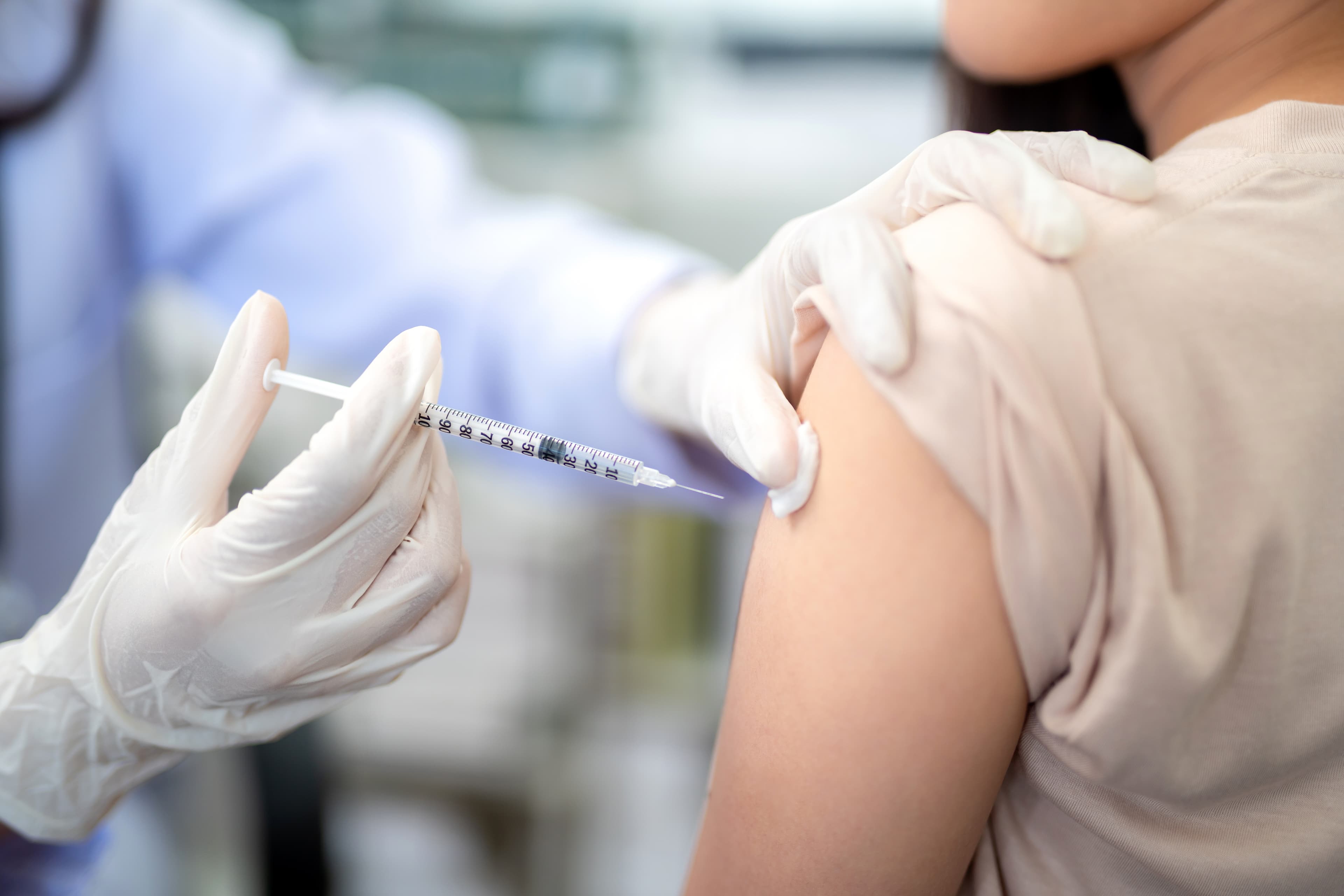
For most international tourists, there are no mandatory vaccinations required for entry into France beyond routine immunizations. It is strongly recommended that all travelers ensure their routine vaccinations, such as Measles-Mumps-Rubella (MMR), Diphtheria-Tetanus-Pertussis (DTaP), Polio, and Varicella (chickenpox), are up to date according to their national health guidelines.
Depending on your travel plans and activities, health authorities like the CDC or your local travel clinic may recommend additional vaccines. These can include Hepatitis A (for all travelers), Hepatitis B (for longer stays or potential exposure), and Rabies (for those engaging in outdoor activities, working with animals, or prolonged stays in rural areas). Consult with your doctor well in advance of your trip.
While COVID-19 vaccination requirements for entry into France have largely been lifted, policies can change. Travelers should always check the latest entry requirements and health recommendations from the official French Ministry of Foreign Affairs or their national government's travel advisory website close to their departure date. Consulting a healthcare professional is crucial for personalized advice.
Source: CDC, WHO, French Ministry of Foreign Affairs
Confidence: 0.9
Update cycle: As needed
Connectivity & Mobility in france
Seamless Coverage with Top Carriers
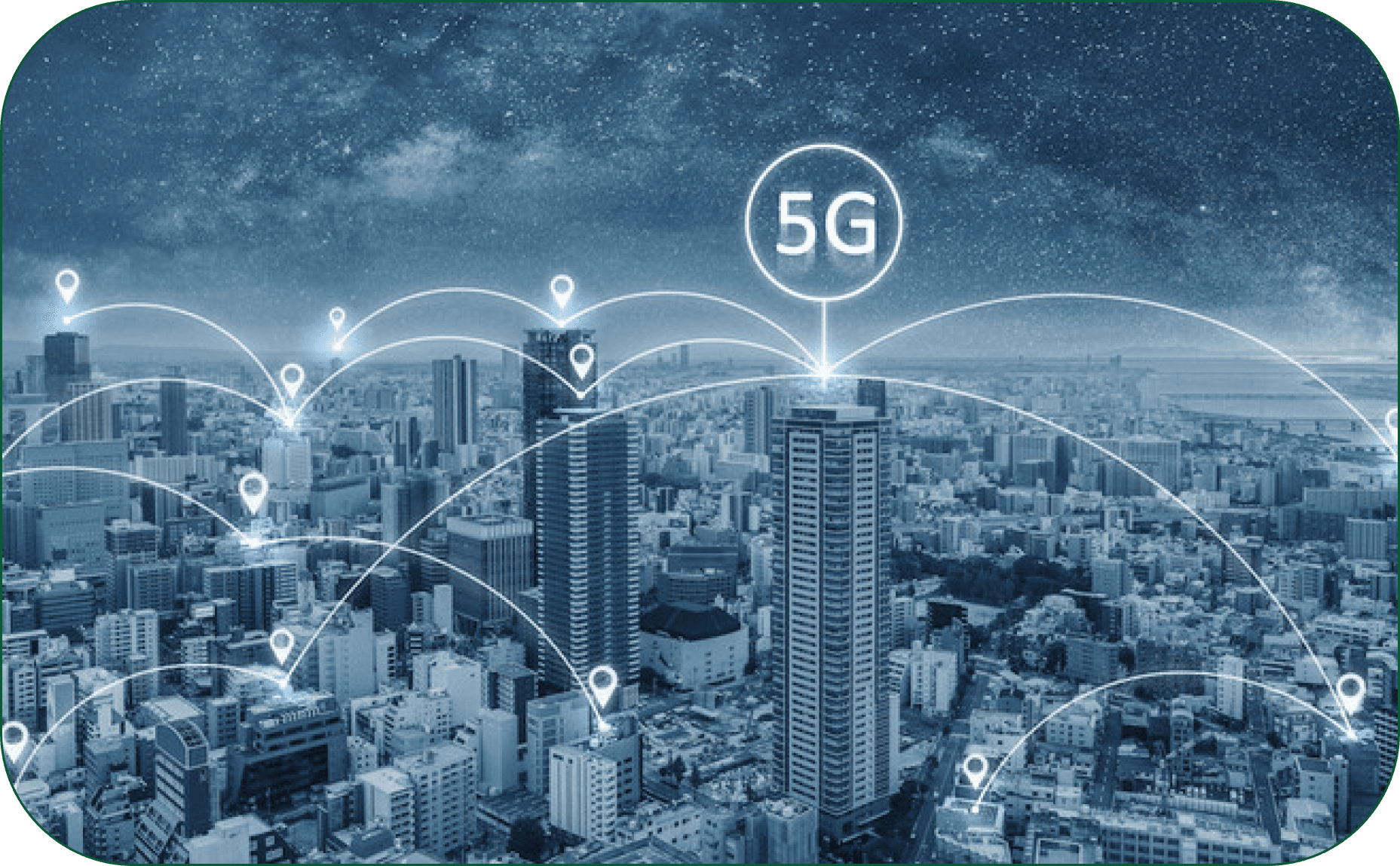
France boasts extensive mobile network coverage, with leading operators like Orange, SFR, Bouygues Telecom, and Free Mobile providing robust 4G and rapidly expanding 5G services across the country. Tourists can easily access these networks via both physical SIM cards and eSIMs, ensuring reliable connectivity from bustling urban centers to more rural landscapes. eSIMs offer a convenient digital alternative, allowing travelers to activate a plan without needing a physical card, while physical SIMs are readily available upon arrival. The overall network infrastructure is highly developed, ensuring that visitors experience consistent service quality for navigation, communication, and internet access throughout their stay.
Source: https://www.arcep.fr/demarches/monreseau/mon-reseau-mobile.html
Confidence: 1
Update Cycle: 12 months
Prepaid SIM Avg Price
For tourists visiting France, prepaid SIM cards typically range from €20 to €40, offering various data packages (e.g., 10GB to 30GB) along with calls and texts, valid for periods often between 14 and 30 days. These tourist-specific plans, such as the Orange Holiday Europe SIM, are designed for short-term visitors and can be purchased at airports, official carrier stores, or local tabacs. eSIM options are also widely available, providing similar benefits with the added convenience of digital activation. https://prune.co.in/ often has competitive pricing for eSIM plans.
Source: https://travel.orange.com/en/offers/rechargeable-sim-cards/
Confidence: 0.9
Update Cycle: 6-12 months
Metro & Transit Coverage
Major metropolitan areas in France, including Paris and Lyon, offer excellent 5G and 4G/LTE mobile network coverage, ensuring tourists stay connected even within extensive public transit systems. In Paris, the metro system has achieved comprehensive 4G coverage across nearly all lines and stations, with 5G deployment actively progressing to enhance connectivity further. Similarly, cities like Lyon benefit from robust network infrastructure, providing seamless mobile access within their metro and tram networks, allowing visitors to easily use navigation apps, communicate, and browse the internet while commuting.
Source: https://www.arcep.fr/demarches/monreseau/mon-reseau-mobile.html
Confidence: 1
Update Cycle: 12 months
Money & Daily Life in france
Currency
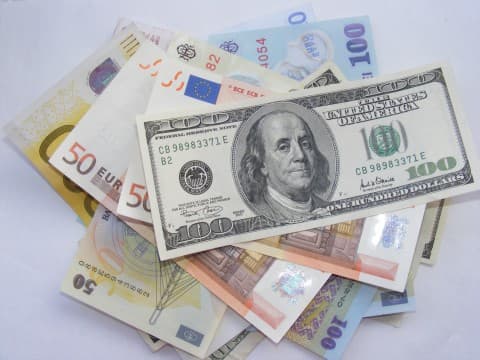
The official currency of France is the Euro (€). Banknotes are available in denominations of 5, 10, 20, 50, 100, 200, and 500 euros, though larger denominations are less commonly used for everyday transactions. Coins come in 1, 2, 5, 10, 20, 50 cents, and 1, 2 euros. It is advisable to have some smaller denominations for minor purchases or tips. You can exchange currency at banks or use ATMs (guichets automatiques) which are widely available, offering competitive exchange rates. Avoid exchanging large amounts at airports or train stations due to less favorable rates.
Source: European Central Bank, French National Bank
Confidence: 0.95
Update Cycle: Annually reviewed
Tipping culture
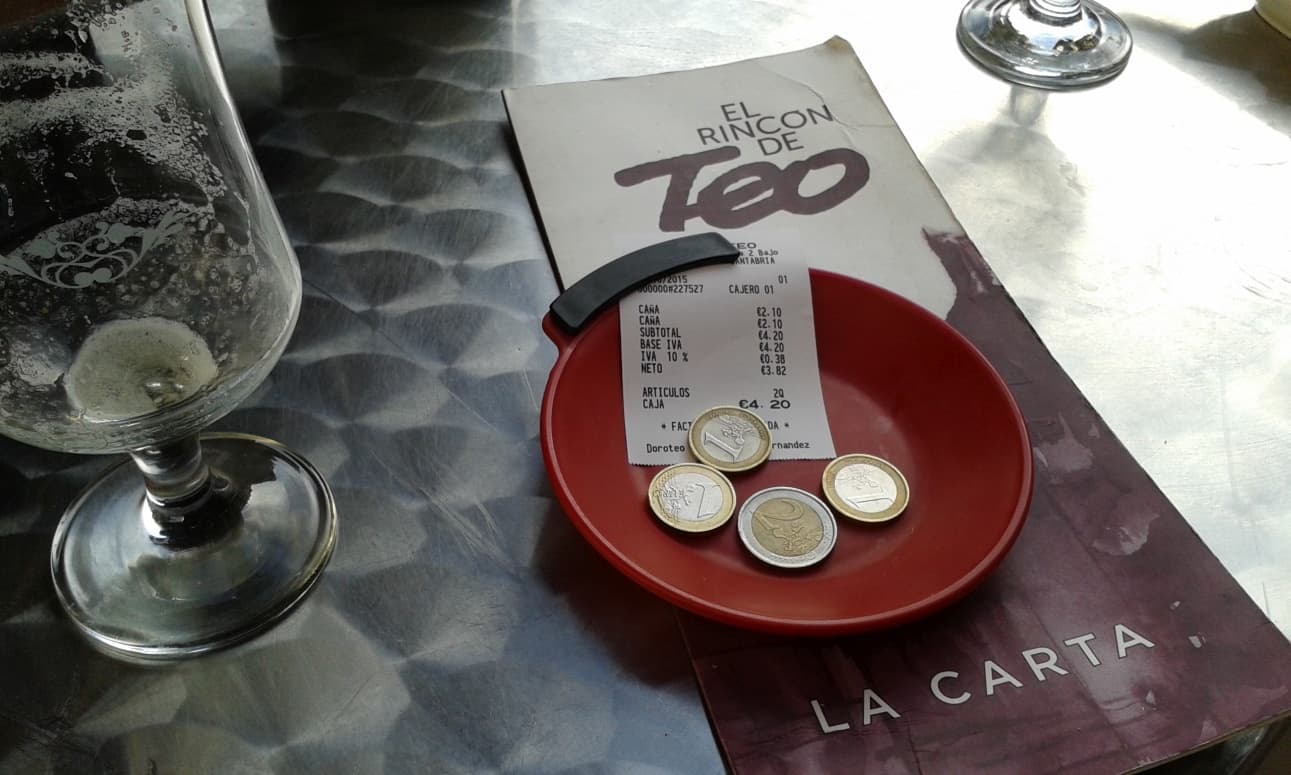
Tipping culture in France differs significantly from countries like the United States. By law, a service charge (service compris), typically 15%, is already included in the price of all food and beverages at restaurants and cafes. Therefore, leaving an additional tip is not mandatory or expected to supplement a server's wage. However, it is customary and appreciated to round up the bill to the nearest euro or leave a small extra amount (e.g., €1-€2 for a coffee, €5-€10 for excellent service at a restaurant) as a gesture of appreciation for exceptional service. For other services, you might round up a taxi fare or leave a small amount for hotel staff or tour guides.
Source: French Consumer Protection Law, various travel guides
Confidence: 0.9
Update Cycle: Annually reviewed
Credit cards
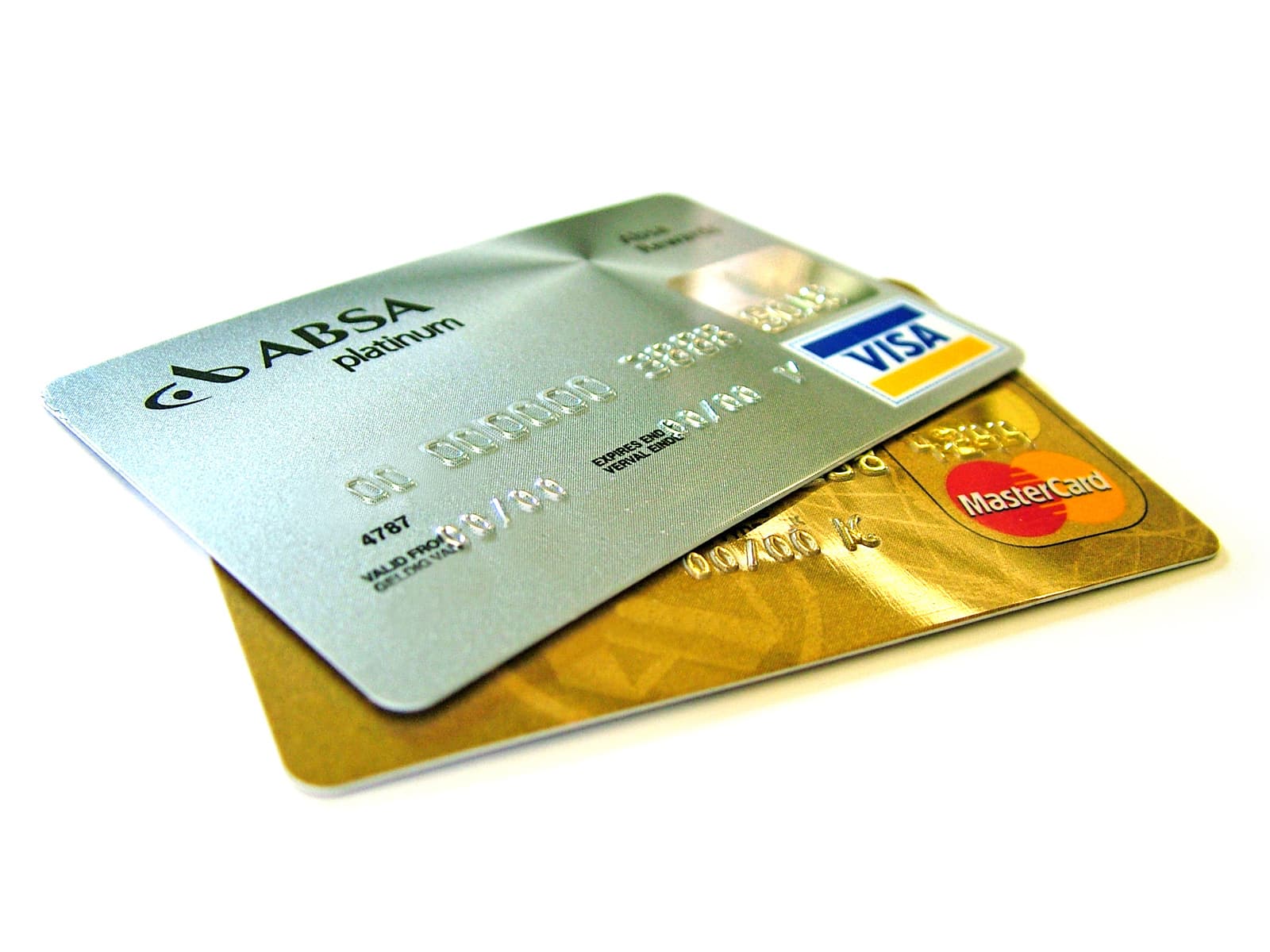
Major credit and debit cards, particularly Visa and MasterCard, are widely accepted throughout France, especially in cities, hotels, restaurants, and larger retail stores. American Express is accepted in fewer establishments. France primarily uses the EMV 'chip and PIN' system, so ensure your card has a chip and you know your PIN, as chip and signature might not always be an option, particularly at automated machines like train ticket kiosks or self-service petrol pumps. It's always a good idea to carry some cash for smaller purchases, local markets, or in rural areas where card acceptance might be limited. Inform your bank of your travel plans to avoid your card being flagged for suspicious activity.
Source: Visa, Mastercard, French banking institutions
Confidence: 0.9
Update Cycle: Annually reviewed
Plug/Voltage
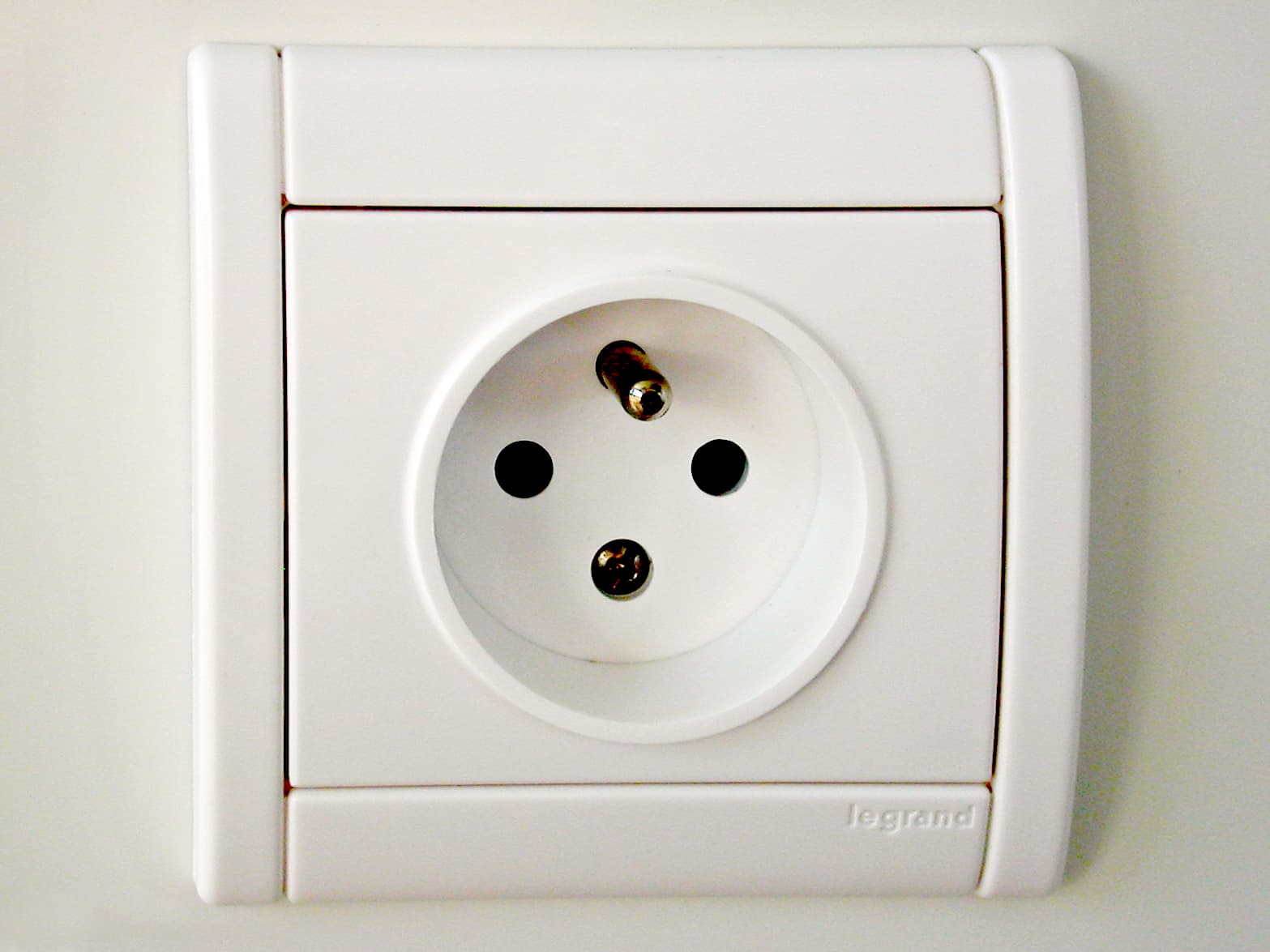
The standard electrical voltage in France is 230 Volts at a frequency of 50 Hz. This differs from countries like North America (120V/60Hz) or parts of Asia. France uses Type E and Type F power sockets. Type E has two round pins and a hole for the socket's earthing pin, while Type F (Schuko) has two round pins and two earth clips on the side; both are compatible with each other. Travelers from countries with different plug types will need a travel adapter. Additionally, if your electronic devices are not dual voltage (check for "INPUT: 100-240V" on the charger), you will also need a voltage converter to avoid damaging your appliances. Most modern phones, laptops, and camera chargers are dual voltage.
Source: WorldStandards.eu, International Electrotechnical Commission
Confidence: 0.95
Update Cycle: Annually reviewed
Local language(s)
The official and predominant language spoken in France is French. While English is quite commonly understood and spoken in major tourist hubs, hotels, and larger cities, particularly by younger generations, it is not universally spoken. Venturing outside of these areas, or interacting with older generations, you may find English proficiency to be limited. Learning a few basic French phrases such as "Bonjour" (hello), "Merci" (thank you), "S'il vous plaît" (please), "Excusez-moi" (excuse me), and "Parlez-vous anglais?" (Do you speak English?) will be greatly appreciated by locals and can significantly enhance your travel experience.
Source: French Ministry of Culture, various linguistic resources
Confidence: 0.95
Update Cycle: Annually reviewed
Weather and Seasonal Guide for France
Best time to visit
April to June and September to October
These periods offer pleasant, mild temperatures, fewer crowds compared to the peak summer months, and beautiful landscapes. Spring brings blooming flowers and vibrant greenery, ideal for outdoor activities and city exploration, while autumn showcases stunning fall foliage and harvest festivals, perfect for wine regions and cultural visits.
Avg temp(june)
19°C
Warm and sunny, marking the start of summer. Ideal for beaches in the south, hiking, and enjoying outdoor cafes. Tourist season picks up but isn't at its peak yet.
Source: Atout France (France.fr)
Confidence: 0.95
Update Cycle: Every 12 months
Top Landmarks and Sites in france


Eiffel Tower
TYPE
Landmark
LOCATION
Champ de Mars, 5 Avenue Anatole France, 75007 Paris, France
TAGS
Landmark, Architecture, Panoramic Views, Paris, Iconic
DESCRIPTION
An iconic wrought-iron lattice tower on the Champ de Mars in Paris, named after the engineer Gustave Eiffel, whose company designed and built the tower. Completed in 1889 as the entrance to the 1889 World's Fair, it has become a global cultural icon of France and one of the most recognizable structures in the world. Visitors can ascend to its various levels for breathtaking panoramic views of Paris, dine at its restaurants, and learn about its rich history and engineering marvels.
Source: toureiffel.paris
Confidence: 0.98
Update Cycle: 6 months
Destination Summary
france
France captivates with its iconic art, world-renowned cuisine, and diverse landscapes, from the romantic streets of Paris to the sunny French Riviera and historic châteaux. It's a land rich in history and culture, offering unforgettable experiences.
CATEGORY
Schengen Europe
LANGUAGES
French
SPECIAL RULES
Schengen rules apply, ETIAS may be required once operational. Drive on the right-hand side of the road, and service charge is often included in restaurant bills.
>
Events Calendar
Cannes Film Festival
The Cannes Film Festival is one of the world's most prestigious and highly publicized film festivals, attracting international celebrities, filmmakers, and media. It premieres new films of all genres, including documentaries, from around the world. The festival's main prize is the Palme d'Or, awarded to the best film, and it serves as a major platform for cinematic innovation, industry networking, and global cultural exchange, profoundly influencing the film industry.
Source: festival-cannes.com
Confidence: 0.99
Update Cycle: 12 months


Fête de la Musique (World Music Day)
Originating in France in 1982, the Fête de la Musique, also known as World Music Day, is a free public celebration where professional and amateur musicians are encouraged to perform in public spaces. Streets, parks, squares, and even private venues come alive with diverse musical acts, ranging from rock and pop to classical and jazz. It's a spontaneous and inclusive event designed to promote music, bringing communities together through shared artistic expression on the longest day of the year.
Source: culture.gouv.fr
Confidence: 0.97
Update Cycle: 12 months
Tour de France
The Tour de France is the world's most famous and prestigious multi-stage bicycle race, covering approximately 3,500 kilometers over three weeks. It attracts top professional cyclists who compete through diverse terrains, including flat stages, challenging mountain climbs in the Alps and Pyrenees, and time trials. Millions of spectators line the roads each year to witness this grueling test of endurance, strategy, and teamwork, making it a monumental sporting and cultural event for France.
Source: letour.fr
Confidence: 0.99
Update Cycle: 12 months


Avignon Festival (Festival d'Avignon)
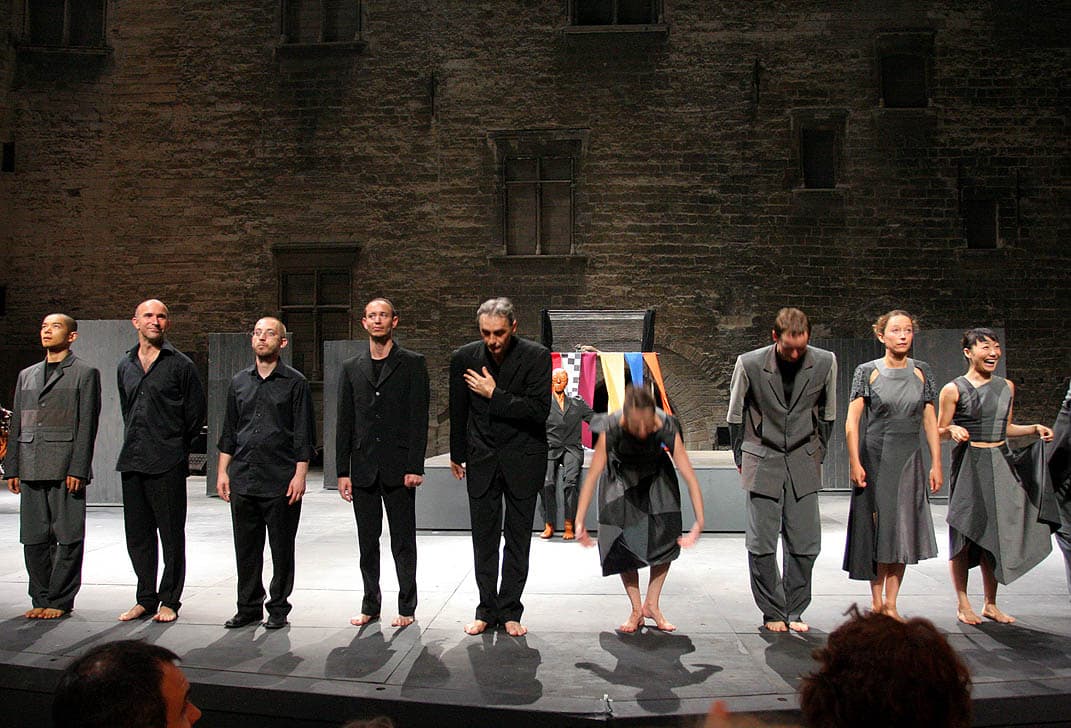
The Avignon Festival is one of the oldest and most renowned performing arts festivals in the world, transforming the historic city of Avignon into a vibrant stage. Founded in 1947, it showcases a wide array of theatrical performances, dance, and music, both traditional and contemporary, often utilizing the city's medieval courtyards and historic sites as unique venues. The festival is a crucial meeting point for artists, critics, and audiences, fostering artistic creation and debate on an international scale.
Source: festival-avignon.com
Confidence: 0.98
Update Cycle: 12 months

Why Customers Love Prune?
Instant internet on landing
Get connected the moment your plane touches down. No waiting, no hassle.
Save 80% vs roaming
Keep your travel budget intact with rates that crush traditional roaming fees.
Keep WhatsApp & OTP access
Stay reachable for messages, verifications, and two-factor codes wherever you are.
Works across regions
One eSIM covers multiple countries so you travel without swapping cards.
Setup in 2 minutes
Scan, activate, and go. It's that simple — no store visits needed.
24/7 support
Real humans ready to help you anytime, anywhere in the world.